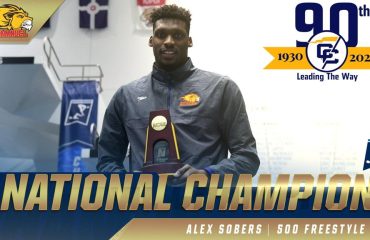
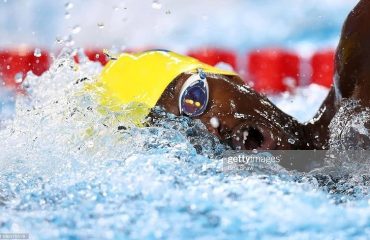
From Barbados to the Olympic Stage: Alex Sobers and the 400m Freestyle Breakthrough

Back in 2016, before the Olympic spotlight fully hit, there was already quiet talk around the Caribbean about one name—Alex Sobers.
A feature from Drafting the Caribbean at the time didn’t just highlight a good swimmer—it pointed to something bigger. Sobers was being recognized as the best 400m freestyle swimmer in the English-speaking Caribbean, and he was only getting started.
What stood out wasn’t just the ranking—it was how he got there.
At just 17 years old, Sobers delivered a performance that changed everything. Swimming a 3:57.30 in the 400m freestyle, he didn’t just qualify for the Olympics—he broke a national record that had been standing for over a decade. That kind of moment doesn’t happen by chance.
It was the result of years of steady progression.
Long before Rio, Sobers had already been putting in the work—competing at CARIFTA, building experience regionally, and gradually stepping onto bigger stages like the Pan American Games. By the time he broke through, it wasn’t a surprise to those paying attention. It was expected.
That’s something a lot of people miss when they look at success from the outside.
There’s a tendency to focus on the big moment—the record, the qualification, the Olympics. But what that 2016 article really captured was the consistency behind it. The daily training. The structure. The discipline of showing up over and over again before anyone is watching.
At the time, Sobers was training multiple times a day, often logging hours in the pool just to shave seconds off his time. That level of commitment is what separates good athletes from elite ones.
And it showed.
His 400m performance didn’t just lead Barbados—it placed him ahead of the rest of the English-speaking Caribbean. He wasn’t just competing—he was setting the pace.
Moments like that don’t just define a career. They raise the standard for everyone else.
Now, years later, that same mindset is what Sobers brings into everything he does—whether it’s working with athletes, speaking to teams, or helping individuals prepare mentally for competition.
Because at the highest level, performance doesn’t start on race day.
It starts long before.